

Training








Our immersive training helps people get better at their work. Ethics shape how our digital humans roleplay and behave and how your people’s data is handled.

say it’s important to know when they’re communicating with an AI or a real person.
Higher user engagement with digital humans for roleplay compared to traditional (text-based) training.
admit to having been duped by an AI-generated person, believing it to be the real thing.
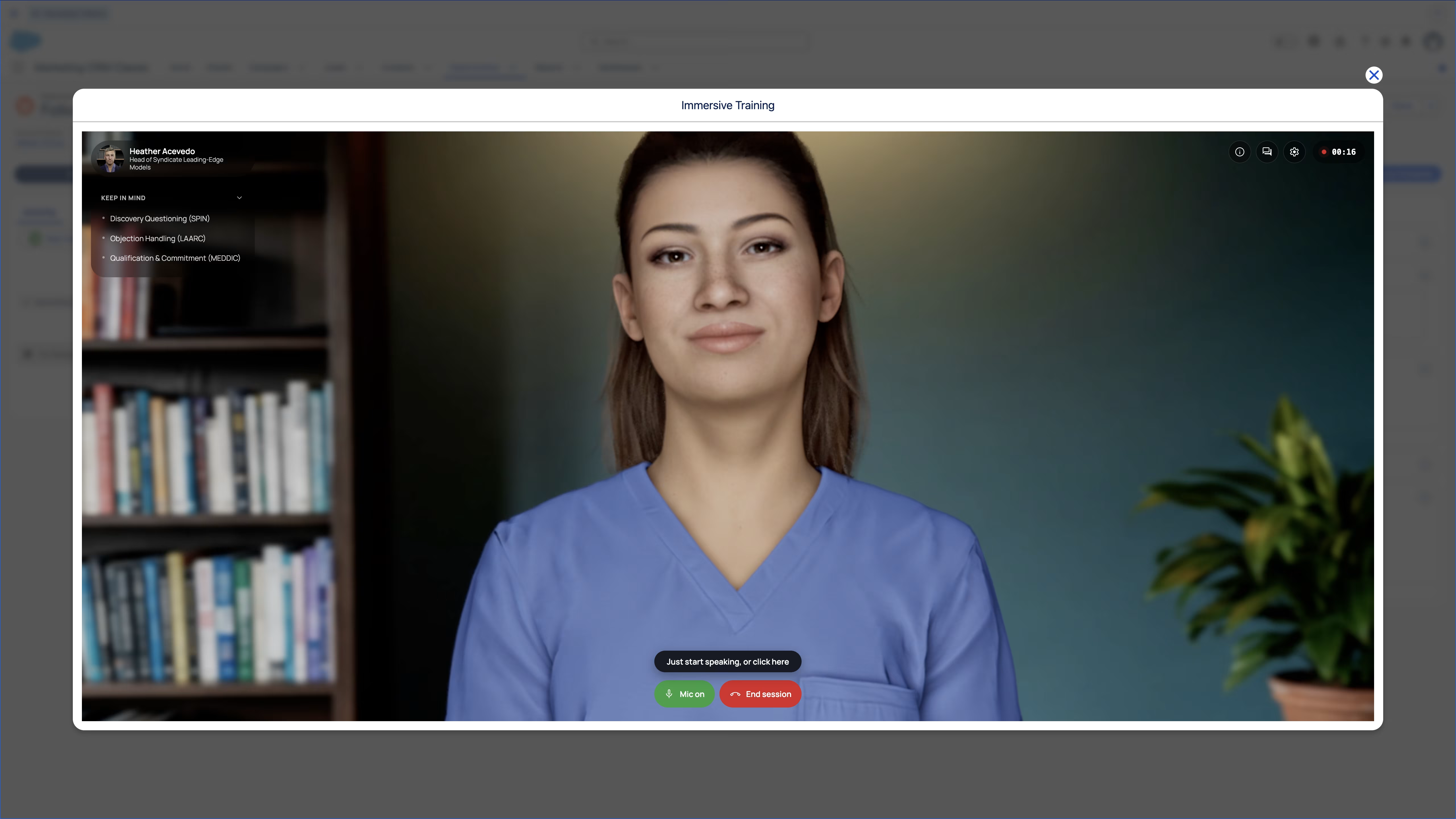







Practice with a digital human works because it feels real, and because people know it isn’t, so they can try, get it wrong and try again. We build every experience to help, not hinder, and to keep people safe while they learn.

We hold ourselves to ethical and industry standards, and work through them with our employees, clients and partners. They cover how we design training experiences that represent cultures fairly, how we protect your people’s data, and the safety standards around AI conversations that keep learners safe.
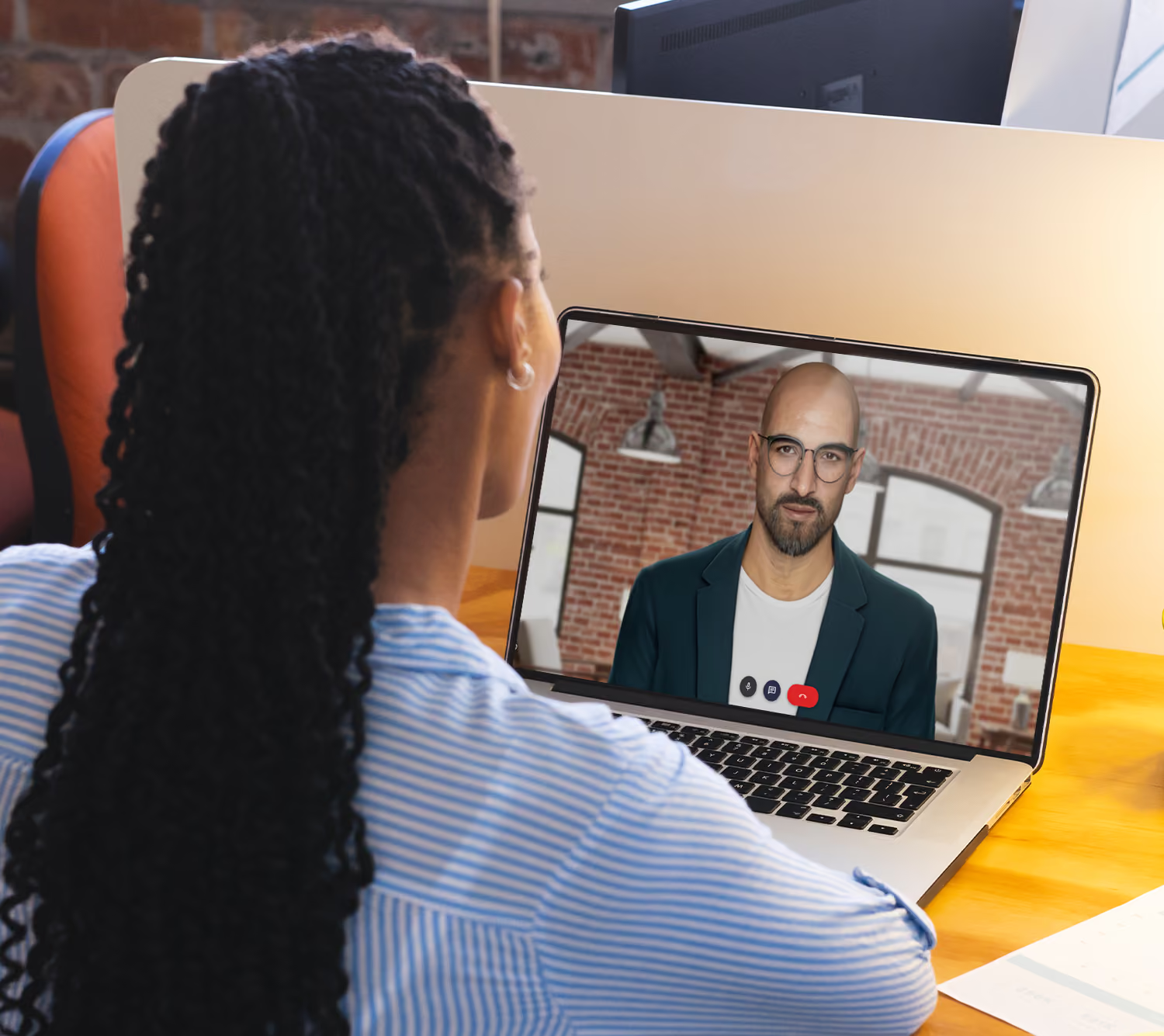
UneeQ’s products and services, including digital humans used in roleplay training, will always be created to do no harm. This includes robust restrictions on forcing digital humans to perform tasks that reduce the quality of human life – such as being used in illicit or illegal activities, encouraging dangerous behavior, or to voice hate speech or disinformation.

The digital humans we design should never try to convince people they are real human beings. From the use of CGI over deepfakes, to providing verbal disclosure in conversation; we set this standard to protect both users and the reputations of the organizations for whom we build these experiences.

As much as possible, we strive to include input from a range of people and data in the training design process, particularly digital humans from the cultures and demographics we’re representing in scenarios. Our personas will represent the diversity of society as a whole.

We’ll never release a digital human “clone” without taking the necessary legal and ethical steps to license the IP and likeness rights of the original person or rights holder. Obtaining consent is a fundamental part of this process.

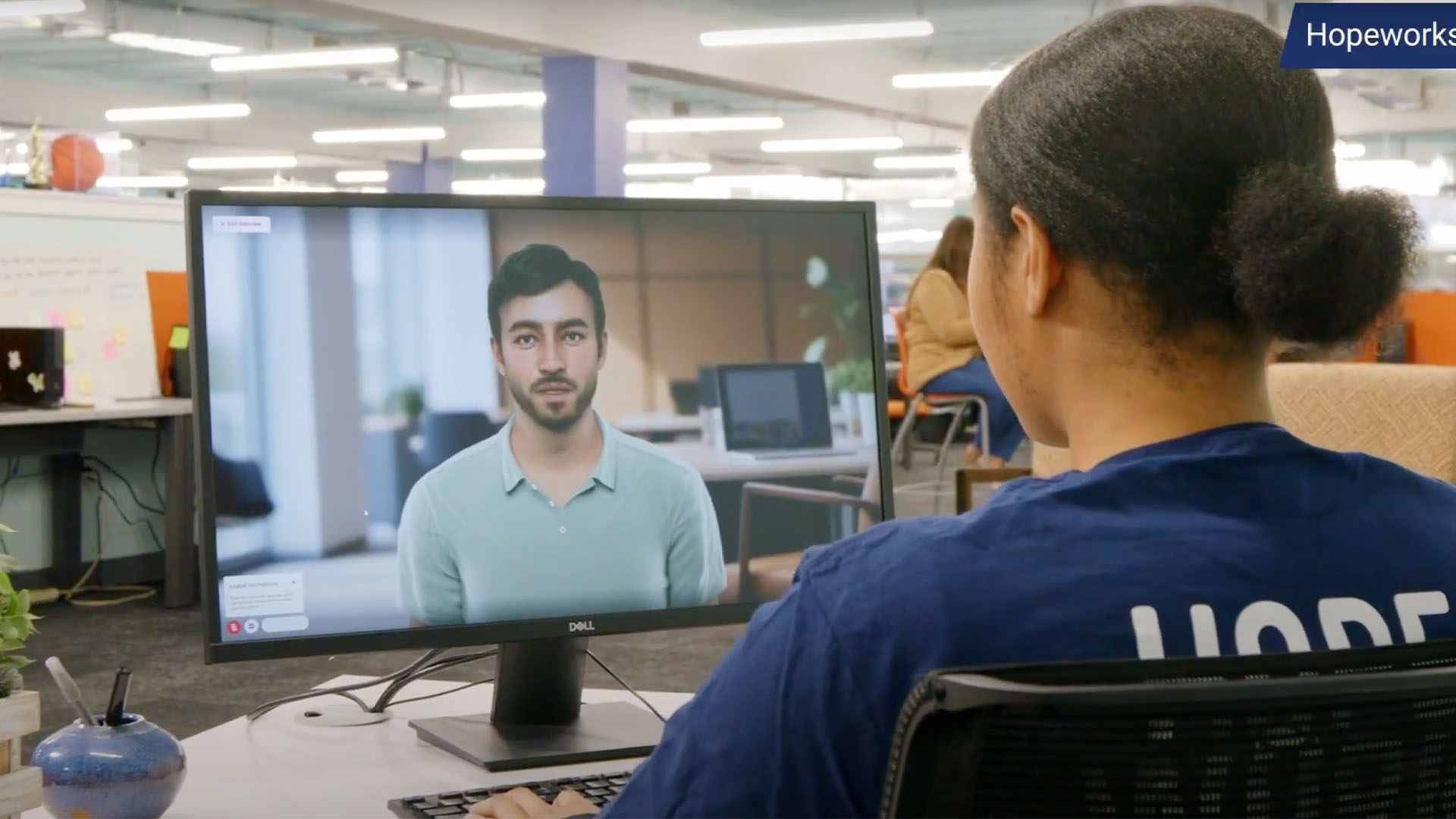
Hopeworks is a fantastic organization that helps young people into meaningful careers. UneeQ provides all learners with a way to practice job interviews and build career readiness.

Mays Business School at Texas A&M is one of many universities that trusts UneeQ to help its students practice the skills that will define their future careers.