






Compare the six types of AI platforms for executive leadership training, with real examples, pros and cons, and a checklist for L&D and HR teams.

Your executives can read a balance sheet in their sleep. Telling a loyal employee that their role is going away is much harder, and most leaders never get to rehearse it first. That’s why more L&D and HR teams are turning to AI platforms for executive leadership training.
This guide covers the six main types of platforms, with examples of each, what each does well, and how to choose the right mix for your senior leaders and the managers coming up behind them.
A quick note: Uneeq makes an AI roleplay platform, one of the types in this guide. We’ve aimed to be fair about where each type works best, including where ours isn’t the right fit.
An AI platform for executive leadership training is software that uses artificial intelligence to help senior leaders build leadership skills. Depending on the type, it might coach leaders through a chat, run them through a business simulation, or let them practice a tough conversation with a lifelike AI character. The best ones also show L&D and HR teams whether those skills are actually improving.
Executive training comes with a few quirks:
A good platform has to fit around all three.
The research from the last few months paints a clear picture. Leaders at the top feel more prepared than the people they lead, and few organizations have proof either way.
So the appetite for AI is there. The real question is which kind of platform will change how leaders behave when it counts

Each type below solves a different problem, and many organizations use two or three together. Examples are listed alphabetically and aren’t ranked.
What it is: Leaders practice real conversations out loud with an AI character who plays the other person, such as an upset direct report, a skeptical board member, or a peer who disagrees. Some platforms put leaders face to face with a lifelike digital human or avatar. Others are voice-based.
Best for: High-stakes people conversations like feedback, performance reviews, conflict, restructures, and change.
Watch out for: Quality varies a lot between vendors. Voice-only tools leave out facial expressions and body language, so leaders can’t practice reading the room. Some AI characters soften the second a learner pushes back, which makes practice too easy. Someone also needs to own building and updating scenarios.
Examples:
What it is: A chat or voice-based AI coach that leaders can talk to any time. It helps them reflect, set goals, and plan for an upcoming meeting.
Best for: Everyday nudges, reflection, and prep between big moments. Because the cost per person is low, these apps can reach every manager, not just the top tier.
Watch out for: Planning a hard conversation in a chat window helps, but leaders still need to say the words out loud under pressure. Many apps also report usage numbers rather than proof of behavior change.
Examples:
What it is: Platforms that match leaders with certified human coaches. AI handles things like matching, session notes, and support between sessions.
Best for: Senior executives who want a long-term relationship with a trusted coach. Nothing on this list beats a skilled human for judgment, accountability, and personal growth over time.
Watch out for: Because cost is per leader, access usually stops at the top tier. It’s also hard to compare progress fairly across leaders when every coaching relationship is different.
Examples:
What it is: Teams run a virtual company. They make calls on budgets, strategy, and people, then see the results play out over simulated quarters.
Best for: Financial acumen, strategic thinking, and cross-team decision-making, especially at offsites and in leadership cohorts. Of all six types, this is the best for teaching leaders how the business makes money.
Watch out for: These usually run as scheduled group events. They focus on business decisions more than one-on-one people conversations.
Examples:
What it is: Leaders wear a headset and step into a 3D scenario.
Best for: Deep immersion in a controlled setting, like a training center or leadership offsite.
Watch out for: Headsets need to be bought, shipped, charged, and set up, which is a big ask for busy executives across many locations. Some VR providers, like VirtualSpeech, now offer web versions too. We dig into the tradeoffs in is VR holding back immersive learning? bodyswaps
Examples: Bodyswaps, VirtualSpeech
What it is: Large libraries of leadership courses, videos, and articles, with AI recommending what each person should learn next.
Best for: Building leadership knowledge across a big workforce at a low cost per person.
Watch out for: Completion rates show who finished a course, not who can handle the real conversation. In Training Industry’s 2026 survey of more than 1,200 learners, 71% said training feels like a check-the-box activity.
Examples: Degreed, LinkedIn Learning
Most leadership moments that make or break a career come down to a conversation. You can read about giving feedback all day long, but you only get better at it by doing it. Here’s why we think face-to-face roleplay is the strongest way to practice those moments:
It’s not the right tool for everything. It won’t replace a trusted human coach for long-term growth, and it won’t teach financial acumen the way a business simulation can.
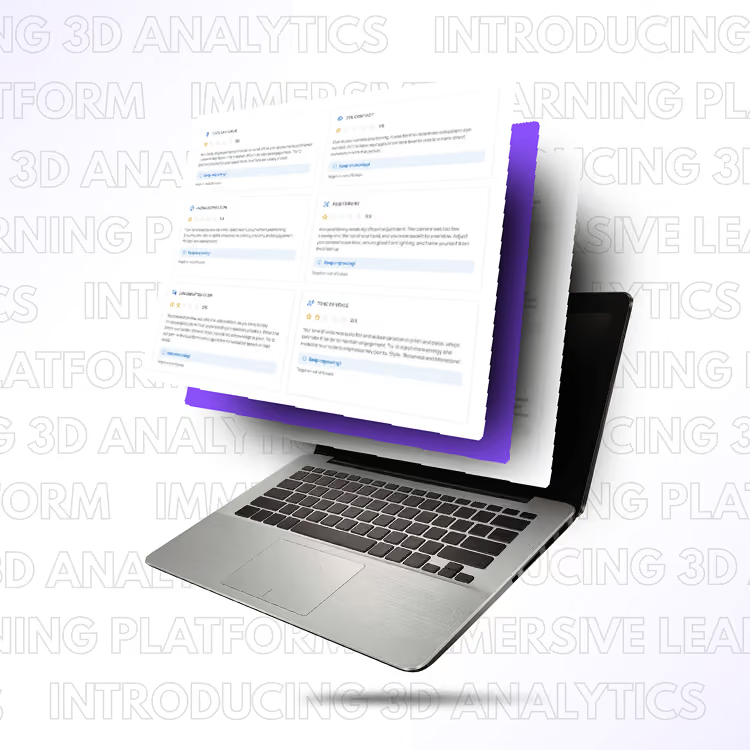
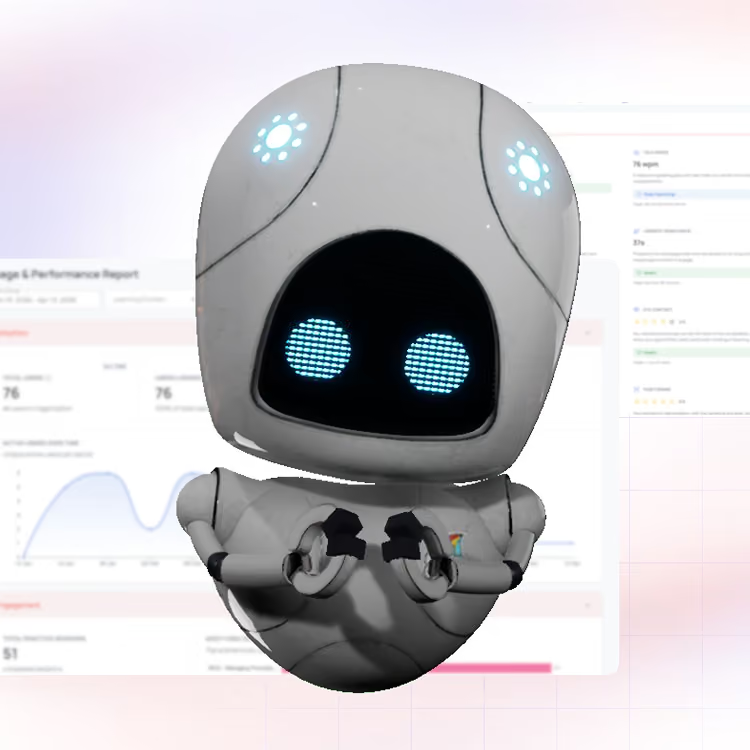
How Uneeq approaches it: Uneeq’s Immersive Training Platform has leaders practice with lifelike digital humans that stay in character when pushed. Leaders get AI coaching right after each session, and Performance Analytics measures how they show up, including tone and presence, along with what they say. In Uneeq customer data, the platform gets 3X higher engagement than text-based training, and 90% of users say practicing with a digital human is less stressful than live roleplay with managers or peers.

Here are some of the most popular leadership simulation scenarios L&D and HR teams build:
Most AI roleplay platforms include ready-made leadership scenarios, and many let you build your own around your policies and leadership framework.
Often, yes, which is a big plus for L&D and HR teams. A new manager and a CEO face the same kinds of conversations: feedback, conflict, change, and coaching. It creates consistency across teams, so leaders are trained in 'the company way'.
With AI roleplay, you can build a version of each scenario for every leadership level. First-time managers learn the basics before their first tough talk. Senior leaders sharpen the conversations that shape the whole business. You also get one consistent view of your leadership bench from the bottom up, helping with tasks such as succession planning, particularly over the long term.
You can also see who's coachable through the data by seeing who has altered their behavior as a result of your training.
Use this checklist when comparing vendors:
Your leaders will have hard conversations either way. The only question is whether they’ve practiced first.
Start a free trial to try two leadership scenarios: a high-stakes feedback conversation and a performance improvement plan. Want scenarios built around your own leadership framework? Book a demo.
Quick answers about AI platforms for executive leadership training and how to choose one.

There isn’t one best platform for everything, so start with the skill you’re building. For practicing career-defining conversations like feedback, conflict, and change, AI roleplay platforms such as Mursion, Uneeq, and Yoodli are built for the job. For long-term personal growth, human coaching platforms like BetterUp and CoachHub lead. For strategy and financial skills, business simulations from providers like BTS and Capsim are a good fit. Many organizations combine two or three.
No, but it can make human coaching go further. AI gives leaders unlimited practice and instant feedback between sessions. Human coaches bring judgment, accountability, and long-term guidance. Many organizations use AI to help leaders prepare, then use coaching time to talk through real results.
The best way is to rehearse out loud with someone who reacts like the real person would. That could be a colleague, a coach, or an AI roleplay platform. AI roleplay lets managers practice feedback, conflict, and tough news as many times as they like, with feedback after each try and no awkwardness with a coworker.
A leadership simulation is a realistic practice scenario where leaders make decisions or hold conversations and see what happens. Some simulations focus on running a virtual business. Others, like AI roleplay, focus on one-on-one conversations with an AI character playing an employee, peer, or stakeholder.
Look past completion rates. Track whether leaders’ behavior changes, such as how they handle feedback or conflict. Then connect that to business results like engagement, retention, and promotion readiness. Many training platforms now include analytics that turn practice sessions into data you can report on.
It can be, but check before you buy. Ask whether the vendor is SOC 2 Type II certified and GDPR compliant, supports single sign-on and role-based access, and uses your conversations to train its AI models. For sensitive executive scenarios, also ask who at the vendor can see recordings or transcripts.
It depends on the platform. Some AI roleplay tools let you build a custom scenario by describing the conversation and uploading your policies or leadership framework. Uneeq’s scenario creation, for example, can build one within 15 minutes. Fully custom business simulations and VR scenarios usually involve more design work with the vendor.